 Skip to content

Dryer Vent Repair
Crushed hoses, loose joints, broken hoods and missing bird guards fixed so hot, moist exhaust leaves the building instead of leaking into it, with the line tested before we leave.
- Certified & insured technicians
- Upfront pricing, no add-ons
- Service 7 days a week
- Homes & businesses
Dryer Vent Repairs That Get Exhaust Back Outside
Most vent repairs come down to one damaged part: a hose crushed behind the dryer, a joint that pulled apart inside a wall, a hood whose flap no longer opens or a guard that was never fitted. Mint Air Duct Cleaning finds that part, fixes it and tests the line, rather than replacing a whole vent that only needs one repair.
It is better not to keep using a dryer with a broken vent. A vent that is crushed, disconnected or blocked cannot push exhaust outside: heat builds up in the dryer, lint and moisture spill into the room, and a gas dryer’s exhaust has nowhere safe to go. According to the U.S. Fire Administration, dryer vents can be blocked by lint, by the nests of birds and other animals or by damage to the vent itself, and a compromised vent can lead to overheating and fire.
Our certified, licensed and insured technicians inspect the hose, the visible run and the exterior hood, explain what failed and give you an upfront price before the repair. If the run itself keeps causing trouble, we say so and explain the replacement or reroute options.
Need Dryer Vent Repair Soon?
Lint behind the dryer, a flattened hose or a hood that will not open? Call (855) 501-0191 and we will book a technician to find the fault, 7 days a week.
Dryer Vent Repairs We Make
Crushed Transition Hose
The short hose behind the dryer is the part that fails most often. Push the dryer back a little too far and the hose flattens, cutting airflow and trapping lint. We replace a crushed, torn or plastic hose with a short flexible metal transition, clamp it at both ends and set the dryer back so it keeps its shape. A recessed dryer box is an option where the space is tight.
- Metal transition hose
- Clamped at both ends
- Dryer set back without crushing it
Disconnected Vent
Joints pull apart inside walls, ceilings and basements when a run sags, the dryer is moved or a section was never fastened. A disconnected vent blows lint and moist air into the building instead of outside. We rejoin the sections with crimped ends facing away from the dryer and seal them with foil tape.
Leaking Seams
Small gaps at seams and joints let lint and moisture escape into walls and ceilings, where you may notice damp spots or lint on the floor. We trace the run as far as it can be reached, clean the lint that has collected at each gap and close the joints with foil tape, never cloth duct tape, which dries out in the heat of the vent and lets go. If a seam keeps opening because the run sags, we strap it as well, so the repair does not fail again at the same spot.
Broken Exterior Hood
Cracked hoods and stuck or missing flaps let in drafts, water and pests, and a flap that will not open blocks the exhaust. We replace the hood, seal it to the wall and check that the new flap opens under airflow and closes when the dryer stops. Where birds or rodents have been a problem, the new hood can include a dryer-rated guard.
Bird and Pest Guards
Birds, rodents and other small animals nest in warm, sheltered dryer vents, and the U.S. Fire Administration lists the nests of small birds and animals as one cause of blocked dryer vents. A nest at the hood or just inside the line stops the exhaust and holds lint behind it. We remove any nest, clean the line behind it and fit a dryer-rated bird or pest guard that keeps animals out without trapping lint the way a fine screen does. The guard goes on with a working hood flap, and we run the dryer afterwards to confirm the exhaust still leaves freely.
- Nest and nesting material removed
- Line behind the nest cleaned
- Dryer-rated guard, not a fine screen
Screws, Tape and Hose in the Wrong Places
Screw tips through the duct catch lint at every joint, cloth tape fails and foil or plastic hose hidden in a wall should not be there at all. We remove the screws and tape the joint, replace failed tape and swap concealed hose for rigid metal duct.
Behind the Dryer
This is where the hose gets crushed against the wall and where the connection to the wall duct works loose. It is the quickest repair to reach: we pull the dryer out, fix the hose or the connection to the wall duct, and reconnect without kinking it. If the dryer has to sit close to the wall in a small closet, we can fit a recessed dryer box so the connection has room and the problem does not come back the next time the dryer is pushed into place.
Inside Walls and Ceilings
Concealed joints work loose over time. Many can be reached from the dryer side, the exterior or a small access opening. We use the vent route, the airflow at the hood and any damp spots or lint on the wall to narrow down where the failure is. If the run cannot be repaired from those points, we explain the replacement or reroute options before any wall is opened, so you decide with the full picture and an upfront price.
Basements and Crawlspaces
Long horizontal runs sag between supports, and the low spots collect lint and condensation. We straighten and strap the run at regular intervals so it keeps an even slope toward the exterior, replace sections that are crushed, rusted or made of foil hose, clear the lint and water that collected in the low spots and seal every joint with foil tape.
Roof Caps
Roof terminations clog and break where no one sees them. Where safe access is available, we replace a damaged cap with one made for dryer exhaust, clear the line beneath it and seal the cap to the roof. A screened attic vent or a gable vent is not a dryer termination: lint clogs the screen and can spill into the attic, so it is replaced with a proper cap.
Houses and Townhouses
Most home repairs come down to one failed part: a hose, a joint or a hood. We find it, fix it, clear any lint the repair releases and test the line before we leave. Floors are covered while we work, the dryer is reconnected without crushing the hose and you see the airflow at the hood once the job is done.
Apartments and Condos
Long concealed routes and shared walls make apartment vents harder to reach. We repair from inside the unit and, where building access allows, from the termination, and coordinate with the building on hours and access. Where the vent runs into a shared shaft or a termination residents cannot reach, we tell you and the building manager what we found, so the right party can approve the work.
Commercial and Shared Laundry
Laundromats, salons, gyms and buildings with shared laundry rooms put more wear on vents than a household does. We repair several vents on one visit, keep the laundry room usable where possible and tell the owner or manager which vents were repaired, which only needed cleaning and which should be replaced or rerouted.
What Customers Say After a Dryer Vent Visit
4.7 average from 28 Google reviews across our 8 Google Business listings (listed as JS AirDuct). Every review shown is a real Google review.
My clothes were taking forever to dry, and I had no idea it was from a clogged dryer vent. Thankfully, this company fixed it right away. Their technician cleaned everything thoroughly and made sure the airflow was perfect. I’m so impressed with their honesty and fast response!
When we remodeled our laundry area, we needed the dryer vent rerouting done properly. The technician not only fixed the layout issue but also made sure everything was safe and efficient. I appreciated how he explained the process. Great, honest service all around!
Our dryer was overheating again from a clogged dryer vent, but the technician found a hidden blockage and cleared it wow!
How We Repair Dryer Vents
Find the Fault
We inspect the transition hose, the visible run, the joints we can reach and the exterior hood or roof cap, and run the dryer to see where airflow is lost.
Upfront Price
You see what failed, what we recommend and the price before we start. If a repair would not solve the problem, we explain the replacement or reroute options instead.
Protect the Work Area
The dryer is turned off and pulled out, and the floor around the work area is covered. Gas dryers are moved with care so the gas connection is not strained.
Repair
We replace the failed part, rejoin and seal the run with foil tape, straighten and strap sagging sections and fit a dryer-rated guard where needed.
Clear the Line
A repair often frees lint that had collected at the damaged spot. We clean it out of the vent so it does not settle again further down the line.
Reconnect the Dryer
The dryer goes back in place with a short metal transition that is not crushed or kinked.
Test Airflow
The dryer runs and we confirm exhaust and a working flap at the hood before we leave.
Why Choose Mint Air Duct Cleaning for Dryer Vent Repair?
Choosing Mint Air Duct Cleaning for dryer vent repair means the fault is found before you are quoted, the price is upfront and the line is tested before we leave. A good repair fixes the part that failed and proves the vent works again. Our certified, licensed and insured technicians recommend the smallest fix that solves the problem, explain when a replacement or reroute is the better answer and book appointments 7 days a week.
Repair the Vent or Replace It?
Repair the dryer vent when the run is sound and one part has failed, and replace or reroute it when the material or the route keeps causing trouble. A crushed transition hose, one loose joint, a broken hood or a missing bird guard are repairs. A run of plastic or foil hose, a route that is too long or has too many turns, a vent that clogs soon after every cleaning or a remodel that moved the dryer point to replacement. We recommend the smallest fix that makes the vent safe.
A Repair Is Enough When
The run is sound and one part has failed.
Replacement Makes Sense When
The material or the route keeps causing trouble.
Types of Air Ducts We Clean, Repair and Install
The main types of air ducts in homes and commercial buildings are rectangular sheet metal, round spiral duct, insulated flex duct, duct board and fiberglass-lined metal duct. Each one collects dust, leaks and wears out differently, so the type of duct decides the cleaning tools, the sealing method and whether a damaged section is repaired or replaced. Our technicians identify the duct type during the inspection and match the work to it.
Rectangular galvanized sheet metal is the standard material for main trunks and for ducts that must fit tight ceilings and walls. Its weak points are the many seams and joints, which we fasten mechanically and seal with mastic or foil tape.
Round galvanized steel duct formed with a continuous lockseam, so a run has fewer joints and less friction than rectangular duct. It needs more clearance, so it suits exposed ceilings, open commercial spaces and long straight runs.
Flexible duct with its own insulation and outer jacket, common for branch runs in attics and crawl spaces. It works well only when pulled straight, strapped so it cannot sag and sealed to its collars; jackets crack with age and rodents chew through it.
Rigid insulated board formed into rectangular duct, so the insulation is the duct wall. It does not tolerate moisture or rough handling: older board crumbles at the edges and its tape lets go, so we tell you when a run should be replaced.
Sheet metal duct with an internal fiberglass liner that quiets airflow. Cleaning must not tear the liner, and according to the EPA no biocides are registered for use on fiberglass-lined duct or duct board, so sanitizing is limited on these runs.
Signs Your Dryer Vent Needs Repair
Signs your dryer vent needs repair include lint behind the dryer, a flattened hose, a hood flap that will not open or stays open, damp walls or ceilings, clogs right after cleaning, birds at the hood and a hot, humid laundry room. Cleaning clears lint; a repair fixes the part that let it build up or escape. These signs point to damage in the hose, a joint or the exterior hood rather than a simple clog.
Lint Behind the Dryer
Lint on the floor or the wall behind the dryer means the vent is leaking at a joint or has come disconnected.
Flattened Hose
The transition hose is crushed or kinked against the wall, cutting airflow and trapping lint behind the dryer.
Hood Flap Will Not Open
There is little or no air at the outside hood while the dryer runs, so exhaust is blocked somewhere in the line.
Flap Stuck Open
Cold drafts or pests come in through the exterior hood when the dryer is off because the flap no longer closes.
Damp Walls or Ceilings
Moisture or stains near the route of the vent show warm, damp exhaust escaping into the wall or ceiling.
Clogs Right After Cleaning
Drying slows again soon after the vent was cleared, which points to a damaged section that keeps catching lint.
Birds at the Hood
Nesting material or bird activity at the exterior vent means the hood or guard is letting animals into the line.
Hot, Humid Laundry Room
The laundry room feels hot and humid during a load because exhaust is staying in the room instead of leaving it.
Ignoring these signs lets lint, heat and moisture collect where they should not, and a gas dryer’s exhaust may have no safe way out. If you see any of them, stop using the dryer until the vent is checked.
What Causes Dryer Vent Damage?
Dryer vent damage is usually caused by a dryer pushed against the wall, sagging runs, moving the dryer, weather and sun on the hood, birds and rodents, plastic or foil hose and failed tape or screws. Most of these failures happen out of sight, behind the dryer, inside a wall or at the exterior hood, so the first sign is often slow drying or lint where it should not be. Our dryer vent repair visits find which of these caused the damage before anything is fixed.
Dryer Pushed Against the Wall
Pushing the dryer back too far crushes or kinks the transition hose, which cuts airflow and traps lint behind the machine.
Sagging Runs
Unsupported horizontal runs droop between supports until their joints pull apart and the low spots fill with lint and condensation.
Moving the Dryer
Pulling the dryer out for cleaning, repairs or a move loosens the connection to the wall duct or tears the hose.
Weather and Sun
Exterior hoods crack and their flaps stiffen over time, until the flap sticks open or no longer opens under airflow.
Birds and Rodents
Nests block the hood and the line behind it, and animals damage hoses and guards while getting into the warm vent.
Plastic or Foil Hose
Plastic and foil accordion hose tears, crushes and sags easily, and it was never meant to last as a vent run.
Failed Tape and Screws
Cloth duct tape dries out in the heat of the vent and lets go, while screw tips catch lint and loosen joints.
What Affects Dryer Vent Repair Cost?
The cost of dryer vent repair depends on where the damage is, the parts needed, the extent of the damage, how much lint must be cleared, access to the vent and the number of vents. Repairs are priced after we find the fault, and you see what failed, what we recommend and the price before work begins. If a repair would not solve the problem, we explain the replacement or reroute options so you can compare them first.
Benefits of Repairing a Damaged Dryer Vent
Repairing a damaged dryer vent sends exhaust outside again, lowers the fire risk, speeds up drying, prevents moisture damage, keeps drafts and pests out, eases strain on the dryer and gives a gas dryer’s exhaust a safe path out. Fixing the failed part restores what the vent is there to do. According to the U.S. Fire Administration, a compromised vent does not exhaust properly and overheating may follow, which is why we test the line once the repair is done.
Exhaust Leaves the Building
Heat, moisture and lint go outside through the hood instead of leaking into walls, ceilings or the laundry room.
Lower Fire Risk
With no lint piling up at a leak or a crushed hose, there is less trapped heat and lint in the line.
Faster Drying
Full airflow through the repaired vent lets loads finish in one cycle instead of needing extra time to dry.
Less Moisture Damage
Sealed joints mean no damp walls, stained ceilings or humid laundry rooms caused by a leaking dryer vent.
No Drafts or Pests
A working flap and a dryer-rated guard keep cold air, birds and rodents outside when the dryer is off.
Less Strain on the Dryer
Shorter cycles and less heat build-up are easier on the machine than pushing against a blocked or crushed vent.
Safer Gas Dryer Exhaust
A sealed, connected vent gives a gas dryer’s exhaust a clear path out of the home instead of into the room.
Ready to Book Dryer Vent Repair? Get an Upfront Price Today
Call (855) 501-0191 or book online and a technician inspects first, explains the dryer vent repair work your system needs and gives you a clear price before anything starts, 7 days a week.
Our Complete Air Duct Services
Dryer vent repair is one of nine duct and vent services Mint Air Duct Cleaning offers to homes and businesses. A repair visit sometimes shows that the whole line needs cleaning, rerouting or replacing, and the ductwork serving the rest of the property may need its own attention. Our certified, licensed and insured technicians inspect first, explain what they found and give you an upfront price for each job, so you choose the work that solves your problem. Open any service below to see what it covers and how the visit runs.
Dust and debris removed from supply and return ducts, registers, trunk lines and the blower area with agitation tools and HEPA extraction.
Whole-home duct cleaning for houses, condos and apartments, with every accessible vent cleaned and floors and furniture protected along the work path.
Duct cleaning for offices, retail spaces and multi-unit buildings, cleaned zone by zone and scheduled around your hours to limit disruption.
Leaking, disconnected or crushed ducts repaired and resealed, or replaced section by section when repair no longer makes sense for the system.
New supply and return runs for additions, remodels and replacement systems, sized for each room, then fastened, sealed and tested before handover.
Leaking seams, joints and register boots fastened and sealed with mastic and foil tape, so conditioned air reaches the rooms it is meant for.
Lint, nests and blockages cleared from the back of the dryer all the way to the exterior hood, followed by an airflow check.
New or rerouted dryer vent lines in rigid metal duct, with sealed joints and a proper wall or roof termination with a backdraft flap.
Real Vent and Duct Jobs
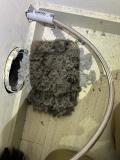
Photos from our own Google Business Profiles showing the lint and dust we find before we clean or repair.


Schedule Dryer Vent Repair With Mint Air Duct Cleaning
Tell us what you are seeing: lint behind the dryer, a flattened hose, a broken hood or a laundry room that stays hot and humid. We book a visit, find the fault and give you an upfront price before the repair. If the run itself is the problem, you hear the replacement or reroute options before anything is opened. Call (855) 501-0191 or send the form, 7 days a week. See our service areas.
Air Duct Tips and Guides

What to look for when you hire a residential air duct cleaning company, from equipment and process to clear pricing.

Why clean ducts before guests arrive, and how duct cleaning helps your home feel fresher during the holidays.

Household appliances that can create moisture and mold, and what that means for your air ducts.
Dryer Vent Repair FAQs
Can I use my dryer if the vent is broken?
It is better not to. A crushed, disconnected or blocked vent cannot push exhaust outside, so heat builds up in the dryer, lint and moisture spill into the room and a gas dryer’s exhaust has nowhere safe to go. Stop using it and book a repair.
How do I know my dryer vent needs repair, not just cleaning?
Lint on the floor behind the dryer, a flattened hose, a hood flap that does not open or a vent that clogs again soon after cleaning point to damage. Cleaning clears lint; repair fixes the part that let it build up.
How do you replace a dryer vent hose?
The dryer is pulled out, the old hose removed and a short flexible metal transition clamped to the dryer outlet and the wall duct, long enough that the dryer can sit back without crushing it.
Can a broken exterior dryer vent hood be replaced on its own?
Yes. A cracked hood or a flap that sticks is replaced without changing the rest of the vent, and the new hood is sealed to the wall.
What can I use to cover an old dryer vent hole?
An unused opening should be closed properly, not just taped. We remove the old hood, fill or patch the opening to suit the wall material and seal it so it does not let in drafts, water or pests.
Why do birds nest in dryer vents?
Vents are warm and sheltered. A dryer-rated bird guard keeps them out; a fine screen is not used because it collects lint.
Can you fix a dryer vent that is inside the wall?
Often, yes. Many concealed joints can be reached from the dryer side, the exterior or a small access opening. If the run cannot be repaired, we explain the replacement or reroute options.
Why is there cold air coming from my dryer vent?
A hood flap that is broken, stuck open or held open by lint lets outside air in when the dryer is off. Replacing the hood or freeing the flap stops the draft and keeps pests out.
Should I use foil tape or duct tape on a dryer vent?
Foil tape. Cloth duct tape dries out and lets go in the heat of a dryer vent. Screws through the duct are not used either, because their tips catch lint.
Is it worth repairing an old foil dryer vent?
Usually not. Foil and plastic hose crush and trap lint, so the better fix is a rigid metal run. See our dryer vent installation service for replacement and rerouting.
How long does a dryer vent repair take?
Most repairs behind the dryer or at the hood are done in one visit. Concealed joints, roof caps and runs that need new sections take longer, and you get a time estimate with the price.
Do you repair dryer vents in apartment buildings?
Yes. We work in houses, apartments, condos and commercial buildings. Long shared vent routes are a common reason buildings call us, along with dryer vent cleaning.
Book Your Dryer Vent Repair
Crushed hose, lint behind the dryer or a broken hood: we find the fault, give you an upfront price and test the line once it is fixed.
Call (855) 501-0191 or send the form, 7 days a week.
